The Mind-Body Connection: Why the Body Holds Stress
Quick Answer: Stress rarely stays a thought. Many people notice it shows up as a tightened jaw, hunched shoulders, or a stomach that will not settle, because the nervous system and the muscles are in constant conversation with each other. When a stressful stretch of life goes on long enough, some of that bracing can become a habit the body keeps running even after the original pressure has eased. This is the mind-body connection at work — not a metaphor, but a pattern of physical holding that somatic practices like Trager work explore through slow, gentle movement and body awareness. None of this is medical treatment or therapy, and it is not a substitute for care from a licensed physician or mental health provider. It is simply one way to get curious about what your body has been carrying.
You notice it standing in line at the grocery store, shoulders creeping toward your ears without your permission. Or maybe it's your jaw, clenched tight through a meeting that ended twenty minutes ago, your teeth still pressed together long after the conversation moved on. Your body seems to have opinions about your week that your mind never consciously formed. That gap between what you're thinking and what your body is doing is worth paying attention to, because it's telling you something real about how stress actually works.
The Body Keeps Its Own Record
Stress isn't purely a mental event. When something demanding happens — a hard conversation, a deadline, a sleepless night — your nervous system responds by preparing your body for action, tightening muscles and quickening breath in ways you rarely choose on purpose. That response makes sense for a single stressful moment. The trouble starts when the demanding moments stack up faster than your body gets a chance to fully stand down.
Muscle Tone Isn't Random
Your nervous system is constantly adjusting the baseline tension in your muscles, deciding how braced or how loose your body needs to be. Under ongoing pressure, that baseline can drift upward. You stop registering the tightness as unusual because it has quietly become your normal.
The Pattern Can Outlast The Cause
A stressful season at work might pass, but the shoulder tension it created doesn't always pack up and leave with it. Your body can keep repeating a holding pattern out of habit long after the original reason for it has faded — which is part of why stretching a tight shoulder sometimes feels like it barely touches the problem.
Awareness Tends To Fade First
Because this bracing builds gradually, most people lose track of it. You adapt to carrying your shoulders a little higher, your jaw a little tighter, your stomach a little more clenched, until it stops registering as tension at all and simply becomes how you hold yourself.
Where Stress Tends to Settle in the Body
Stress doesn't distribute itself evenly. It tends to collect in a handful of familiar spots, and most people carry it a little differently depending on their own history and habits.
The Jaw And Face Hold More Than People Expect
Clenching, grinding, or a tight brow can happen entirely outside conscious awareness, especially during concentration or conflict. Many people only notice jaw tension when it starts to ache, long after the clenching began.
Shoulders Creep Upward Under Pressure
This is one of the most common places people describe carrying stress, and it often shows up as a subtle rise toward the ears that becomes the body's default resting position rather than a temporary reaction.
The Chest And Breath Tighten Together
Shallow, upper-chest breathing frequently accompanies stress, and the two tend to reinforce each other — tight breathing can keep the nervous system on alert, while an alert nervous system keeps the breath shallow.
The Gut Responds Too
A knotted stomach before a hard conversation, or digestion that seems to slow down during a stressful stretch, reflects how closely connected the nervous system is to organs well beyond the muscles.
How Somatic Movement Explores This Connection
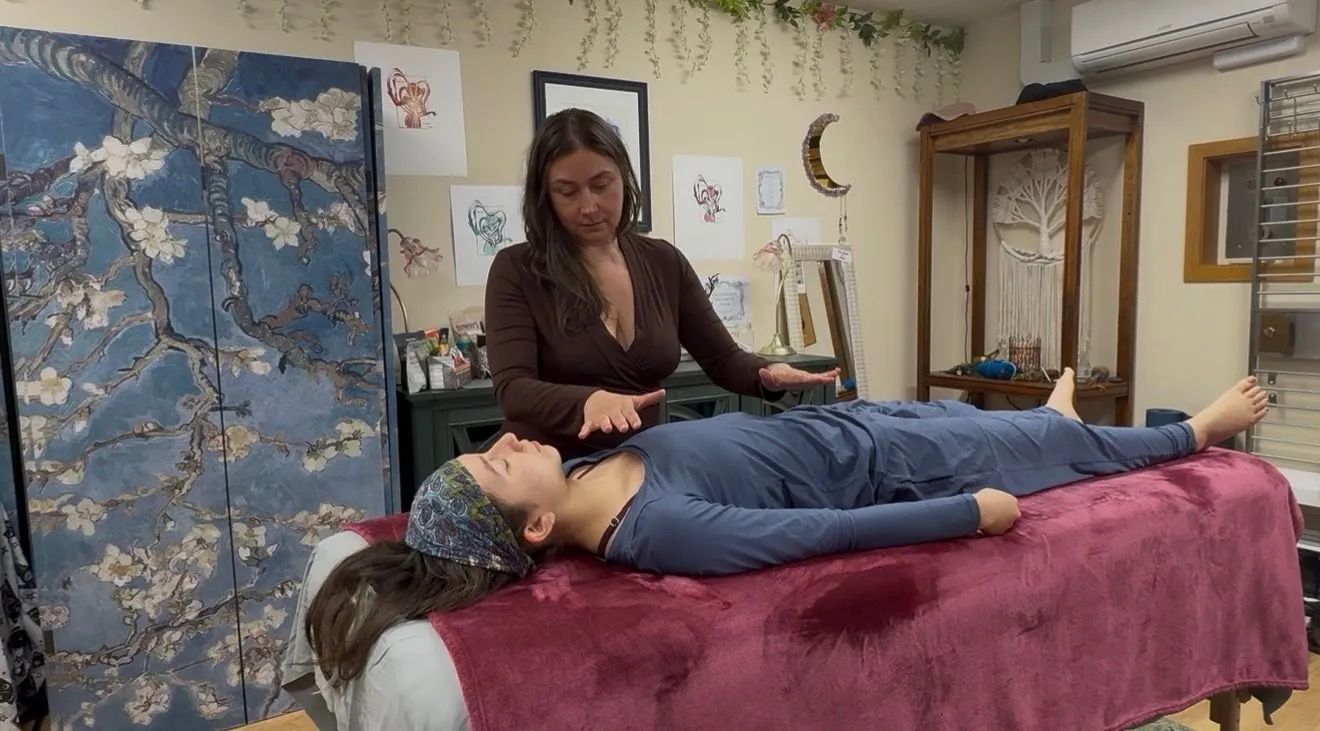
Trager Somatic Movement Therapy approaches this pattern of holding from an angle that's different from stretching or willpower. Instead of asking a muscle to change through force, it works through slow, rhythmic movement and light touch that invites the nervous system itself to soften.
The Nervous System Responds To Safety, Not Effort
Because bracing is often a nervous-system habit rather than a purely muscular one, forcing a stretch can sometimes add more effort for the body to push against. Gentle, rocking movement offers a different kind of input — one that signals there's nothing to guard against right now.
Sessions Build Felt Awareness Rather Than Instruction
During a session, you're guided to notice sensation rather than achieve a particular shape or outcome. That noticing is the point. Once you've felt what ease actually feels like in your shoulder or jaw, you have something to compare the habitual tightness against.
Small Movements Travel With You Afterward
Trager sessions typically end with simple self-directed movements you can practice at home — a gentle sway, a soft roll of the shoulders — meant to keep reinforcing that felt sense of ease between visits.
This kind of work is complementary and educational. It supports relaxation and body awareness, but it isn't therapy or medical care, and it isn't intended to diagnose, treat, or cure anxiety, depression, trauma, or any other condition. If you're navigating a diagnosed condition or an ongoing mental health concern, this kind of gentle bodywork can sit alongside — never in place of — guidance from a licensed physician or mental health professional.
Tip: Try a two-minute body scan before bed tonight. Starting at your jaw, move your attention slowly down to your shoulders, chest, stomach, and hips, simply noticing where things feel tight without trying to change anything yet. Naming what you find — tight, warm, heavy, loose — helps your nervous system register the pattern, which is often the first step toward it softening on its own.
Building Body Awareness in Everyday Moments
You don't need a set-aside hour to start noticing how stress shows up in your body. Most of the useful noticing happens in ordinary moments — waiting at a red light on your commute through Seattle traffic, standing at the sink after dinner, sitting through the last stretch of a long workday.
Check In Without An Agenda
A few times a day, pause and scan from jaw to shoulders to hips. You're not trying to fix anything in that moment, only to notice what's there. That noticing alone sometimes invites a small release.
Let Tiny Movements Count
A slow neck turn, a soft shoulder roll, a gentle sway from side to side while the coffee brews can all offer your nervous system a taste of easier motion. Size doesn't matter here nearly as much as the quality of attention you bring.
Rest Matters More Than People Give It Credit For
Long stretches without downtime, whether from work, caregiving, or the general pace of life around Puget Sound, tend to keep the nervous system in a low-grade state of readiness. Genuine rest, even in small doses, gives your body permission to stand down.
Warning: Gentle movement should feel comfortable, not painful. If any motion produces sharp pain, numbness, dizziness, or a symptom that worries you, stop and speak with a licensed healthcare provider. Somatic movement is a form of education and relaxation support, not a diagnostic or medical service, and it should never replace evaluation by a qualified professional.
Curiosity Over Correction
Most people come to this topic looking for a fix, something to make the tight shoulder or clenched jaw go away for good. The more useful shift tends to be smaller than that. Rather than treating tension as a problem to defeat, you can treat it as information — a signal your body is offering about what it's been carrying and for how long.
That reframe changes how the noticing feels. Instead of frustration at a shoulder that won't stay down, there's room for plain curiosity: I wonder why this is here. I wonder what it would feel like to let it go, even a little. Bodies tend to respond better to that kind of gentle attention than they do to force, and the awareness you build sticks around long after any single session ends.
Frequently Asked Questions
Is the mind-body connection a real, measurable thing?
Yes, in general terms. The nervous system links emotional and physical states, and muscle tension is a common way stress shows up. Somatic practices explore that link through gentle movement, not diagnosis or treatment.
Why does my body hold tension even when I'm not consciously stressed?
Bracing patterns often become habitual, running quietly in the background long after the original trigger has passed. Many people carry tension without realizing it, simply because the pattern has become their baseline.
Can somatic movement cure anxiety or chronic stress?
No. Somatic movement, including Trager work, is educational and relaxation focused, not medical or mental health treatment. It is not intended to diagnose or cure anxiety, and works best alongside licensed professional care.
How is this different from just stretching more?
Stretching works directly on tissue and can feel good immediately, while somatic movement targets the nervous system's habit of holding tension. Many people find the two approaches complement each other well over time.
Do I need a session to start noticing where I hold stress?
No. Simple daily check-ins, like scanning from jaw to shoulders to hips, are something you can start alone. A practitioner session can help you notice patterns that are harder to catch by yourself.
How long does it take to notice a difference?
It varies. Some people notice a shift after a single check-in or session, while others build awareness gradually over weeks of patient attention. Consistency tends to matter more than intensity here.
Coming Home to a Calmer, Steadier Body
The mind and body were never separate conversations, even though it is easy to talk about them that way. What you carry mentally shows up physically, in a clenched jaw or a shoulder that will not come down, and learning to notice that connection is less about fixing yourself than about listening more closely to what your body already knows. Curiosity, more than correction, tends to open the door, and small moments of attention can slowly change how tension settles.
In Burien, WA, Indigo Way
approaches this kind of body awareness through Trager Somatic Movement, drawing on 10
years of experience
helping people reconnect with how their bodies hold and release tension. Holly, a certified Trager practitioner, brings a steady presence to that process, meeting each person where they are. The work stays gentle, less about achieving a result than about building a felt sense of ease that can travel beyond any single session and settle quietly into everyday life.