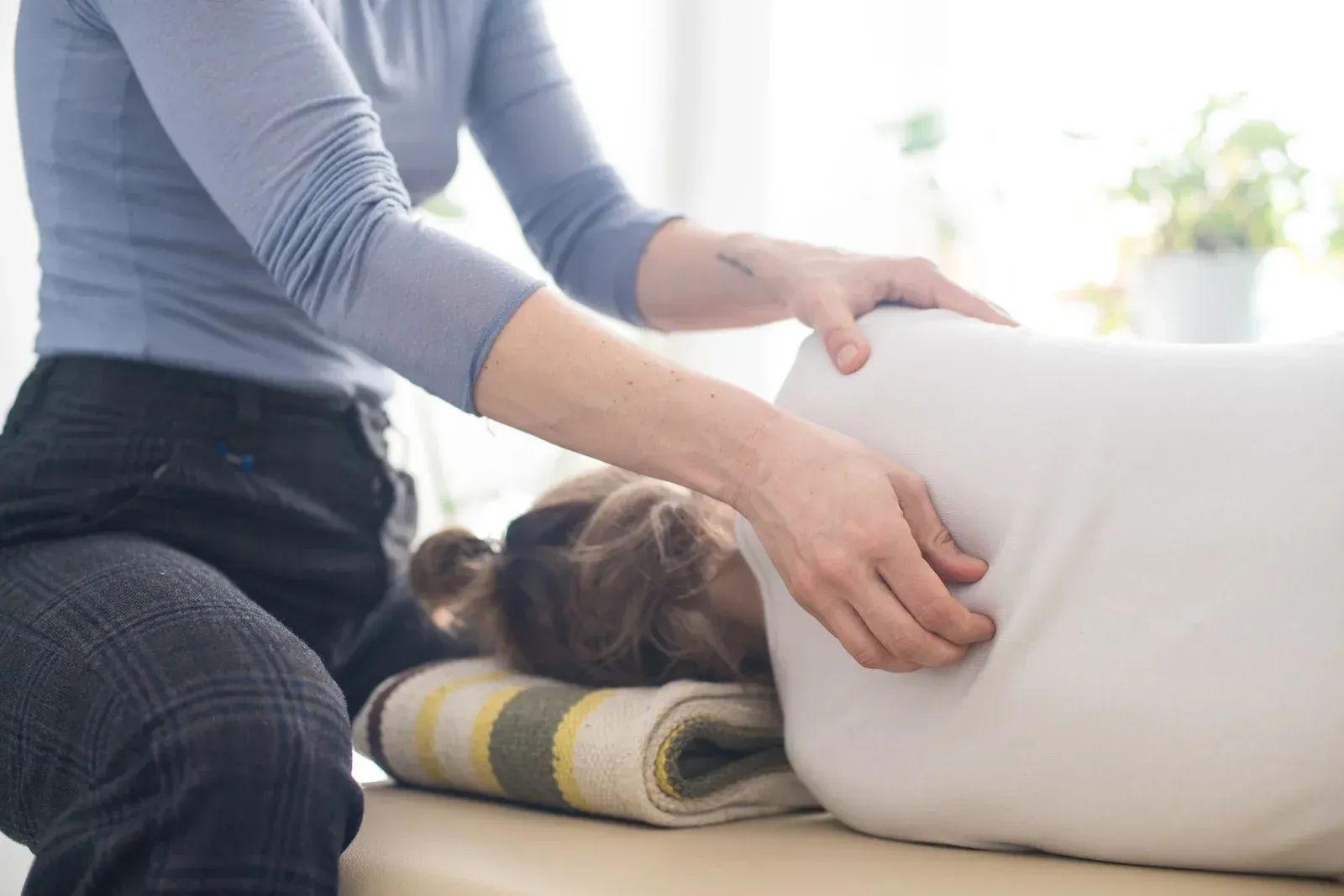
Somatic Movement Therapy
The growing interest in mind-body wellness has transformed the way people approach physical health, emotional balance, and stress management. Traditional fitness routines and rehabilitation methods are no longer the only options for improving mobility and reducing discomfort. Many individuals are now exploring somatic movement therapies that focus on the relationship between the nervous system, movement patterns, and physical awareness. Among these approaches, Trager Somatic Movement has gained attention for its gentle techniques that encourage relaxation, improve body awareness, and support natural movement without force or strain. This method combines mindful touch, movement education, and nervous system regulation to help people reconnect with how their bodies move and respond to tension.
Understanding the science behind Trager Somatic Movement is important for anyone considering somatic therapy as part of a wellness or recovery plan. The method is not based on aggressive manipulation or rigid exercise routines. Instead, it works by influencing neuromuscular communication and helping the body release unnecessary holding patterns. Research surrounding somatic practices continues to highlight the role of the nervous system in pain, mobility, emotional stress, and physical performance. As awareness grows around holistic wellness solutions, Trager Somatic Movement stands out as an approach that supports long-term physical ease, mental clarity, and improved quality of life through mindful movement and sensory awareness.
Understanding the Foundations of Trager Somatic Movement
The Origins of the Trager Approach
Trager Somatic Movement was developed by Dr. Milton Trager, a physician and movement educator who explored how gentle movement and touch could create profound physical and emotional changes within the body. The method evolved through years of observing how the nervous system responds to relaxed, rhythmic movement patterns. Rather than forcing muscles into correction, the approach encourages the body to experience ease and freedom through subtle sensory input.
The foundation of the practice centers on the idea that movement habits are deeply connected to the nervous system. Physical tension, restricted mobility, and chronic discomfort often develop from repetitive stress, emotional strain, injuries, or learned movement patterns. Trager work seeks to interrupt these patterns by introducing sensations of lightness, softness, and flexibility that the brain can recognize and adopt.
The Connection Between Mind and Body
One of the defining principles of Trager Somatic Movement is the belief that the body and mind function as an integrated system. Emotional stress can manifest physically through muscle tightness, shallow breathing, and limited mobility. Similarly, physical tension can influence mood, energy levels, and mental focus.
The gentle rocking, stretching, and movement exercises used in Trager sessions communicate directly with the nervous system. These movements help reduce the body’s fight-or-flight response while encouraging relaxation and improved sensory awareness. Clients often report feeling calmer, lighter, and more connected to their physical movements after sessions because the body begins responding differently to stress and movement demands.
The Neuroscience Behind Somatic Movement Therapy
How the Nervous System Influences Movement
The nervous system controls every movement the body makes, from simple walking patterns to complex athletic performance. When the nervous system perceives stress, pain, or danger, muscles often tighten as a protective response. Over time, these protective patterns can become habitual, even after the original trigger has disappeared.
Trager Somatic Movement works by introducing safe, non-threatening sensory experiences that help the nervous system reconsider those patterns. Gentle movement sequences provide new information to the brain, allowing it to release unnecessary muscular guarding and tension. This process is sometimes referred to as neuromuscular re-education because the body begins learning more efficient and comfortable movement strategies.
The Role of Sensory Feedback
Sensory feedback plays a major role in how the brain interprets movement and body position. Every joint, muscle, and connective tissue structure contains receptors that send information to the brain about tension, pressure, and movement quality. When those signals repeatedly communicate stress or restriction, the body may maintain protective movement patterns.
Trager sessions use gentle touch and rhythmic movement to change the sensory information reaching the nervous system. The body experiences movement without strain, which helps reduce muscular resistance and increase awareness of smoother movement possibilities. This sensory re-education often improves coordination, posture, and balance while reducing physical discomfort.
People recovering from injuries or chronic tension frequently benefit from this process because it supports gradual nervous system adaptation without overwhelming the body.
Physical Benefits of Trager Somatic Movement
Improving Mobility and Flexibility
Restricted movement patterns are common among individuals dealing with stress, sedentary lifestyles, repetitive work demands, or physical injuries. Tight muscles and guarded movement often reduce flexibility while increasing discomfort during daily activities.
Trager Somatic Movement encourages the body to move more freely through gentle motion rather than forceful stretching. This allows muscles and connective tissues to relax naturally while improving joint mobility. Many people notice an increased range of motion after sessions because the nervous system no longer signals the same level of muscular protection.
Athletes, older adults, office workers, and individuals recovering from surgery may all experience mobility improvements through consistent somatic movement practice. The approach can support smoother walking patterns, easier posture adjustments, and reduced stiffness during everyday movement.
Supporting Pain Reduction
Chronic pain is often influenced by both physical and neurological factors. Muscle tension, emotional stress, movement compensation, and nervous system sensitivity can all contribute to ongoing discomfort. Traditional approaches sometimes focus only on the site of pain without addressing the nervous system patterns connected to it.
Trager work approaches pain reduction from a broader perspective. By calming the nervous system and reducing muscular guarding, the body may experience less tension and strain. Gentle movement can also improve circulation, breathing patterns, and overall relaxation, which supports the body’s natural recovery processes.
Individuals experiencing back pain, neck tension, joint stiffness, or stress-related muscular discomfort often seek somatic therapies because they provide a non-invasive and supportive option for restoring physical ease.
Emotional and Mental Wellness Benefits
Reducing Stress and Anxiety
Modern lifestyles place constant demands on the nervous system. Long work hours, digital overload, emotional stress, and physical fatigue can keep the body in a prolonged state of tension. Over time, chronic stress may contribute to sleep disturbances, muscle tightness, emotional exhaustion, and difficulty concentrating.
Trager Somatic Movement helps shift the nervous system away from stress-based responses by promoting deep relaxation and sensory calmness. The rhythmic movements used during sessions often slow breathing patterns and encourage mental quietness. Many individuals describe the experience as deeply restorative because the body feels safe enough to release accumulated tension.
Stress reduction is not simply an emotional benefit. Lower stress levels may also improve posture, reduce headaches, support digestion, and enhance physical recovery.
Increasing Body Awareness
Body awareness is an important component of long-term wellness. Many people move through daily routines without recognizing how stress, posture, and movement habits affect their physical condition. Somatic practices encourage individuals to notice subtle sensations and movement patterns within the body.
Trager exercises help clients develop awareness of how movement feels when tension decreases. This awareness can influence daily activities such as sitting, walking, lifting, or exercising. Improved body awareness may also help people identify stress responses earlier before they develop into chronic physical discomfort.
Enhanced awareness often supports emotional resilience as well because individuals become more attuned to how their bodies respond to stress and environmental demands.
Best Practices for Integrating Somatic Movement Into Daily Life
Consistency Matters
Like many wellness practices, the benefits of Trager Somatic Movement develop over time through regular participation. Occasional sessions may provide temporary relaxation, but ongoing practice often produces deeper nervous system changes and improved movement habits.
Simple movement awareness exercises, mindful breathing, and gentle mobility routines can reinforce session benefits between appointments. Small daily adjustments in posture and movement awareness may also reduce unnecessary muscular tension.
Choosing a Qualified Practitioner
Working with a trained somatic movement practitioner is important for receiving safe and personalized care. Qualified professionals understand how to adapt techniques to different physical conditions, comfort levels, and wellness goals.
A skilled practitioner creates a supportive environment where clients can explore movement without pressure or discomfort. Open communication during sessions also helps ensure that movement techniques align with individual needs and expectations.
Combining Somatic Therapy With Other Wellness Practices
Trager Somatic Movement often works well alongside other wellness approaches such as massage therapy, mindfulness practices, physical therapy, yoga, and life coaching. Combining supportive therapies may improve overall physical and emotional well-being while helping individuals build sustainable wellness habits.
Trusted Somatic Movement Guidance Rooted In Compassionate Care
At Indigo Way, we provide somatic movement therapy and life coaching services designed to support individuals seeking greater balance, physical ease, emotional clarity, and personal growth. Located in Burien, Washington, our work focuses on helping clients reconnect with their bodies through thoughtful movement practices, nervous system awareness, and supportive coaching strategies that encourage meaningful change. With more than 10 years of experience, we understand how stress, physical tension, and emotional overwhelm can influence overall well-being and daily life.
Our approach centers on creating a safe and welcoming environment where clients feel supported throughout their wellness journey. We believe
somatic movement therapy
is not simply about temporary relaxation but about helping people build sustainable awareness, healthier movement habits, and a stronger connection between mind and body. Whether someone is navigating chronic tension, emotional stress, mobility challenges, or personal transitions, we provide guidance rooted in professionalism, compassion, and individualized care. At Indigo Way, we remain committed to helping clients explore practical wellness solutions that support long-term resilience, movement freedom, and a more grounded sense of well-being through trusted somatic movement therapy and life coaching services.